 English
 日本語
日本語 Español
 Русский
 عربي
عربي Português
 Italiano
 Français
 한국인
한국인 Indonesia
Eco-Friendly Water-Soluble Polymers: Redefining Sustainable Packaging

Introduction
Amid growing scrutiny over plastic pollution, water-soluble materials have emerged as a groundbreaking solution. Developed through years of research, these materials offer a viable alternative to traditional plastics, promising reduced environmental harm. Yet, their full potential and ecological implications remain understudied and underutilized.
What Are Water-Soluble Materials?
Water-soluble materials dissolve completely in water and are not conventional plastics. Instead, they are primarily composed of:
Polyvinyl Alcohol (PVOH/PVA): A synthetic, non-toxic polymer free of heavy metals.
Bio-based additives: Renewable components that enhance biodegradability.
These materials break down into water and carbon dioxide through microbial action, leaving no microplastic residues.
Environmental Advantages
Zero Microplastic Pollution:
Unlike polyethylene (PE) or polypropylene (PP), water-soluble materials dissolve fully without releasing harmful microplastics.
Biodegradability:
Degraded by microorganisms in natural environments, meeting standards like EN 13432 (compostable packaging).
Reduced Plastic Waste:
Directly addresses the global crisis of single-use plastics, particularly bags and films.
Key Applications
Consumer Packaging:
Retail & E-commerce: Water-soluble bags for groceries, garments, and pet waste.
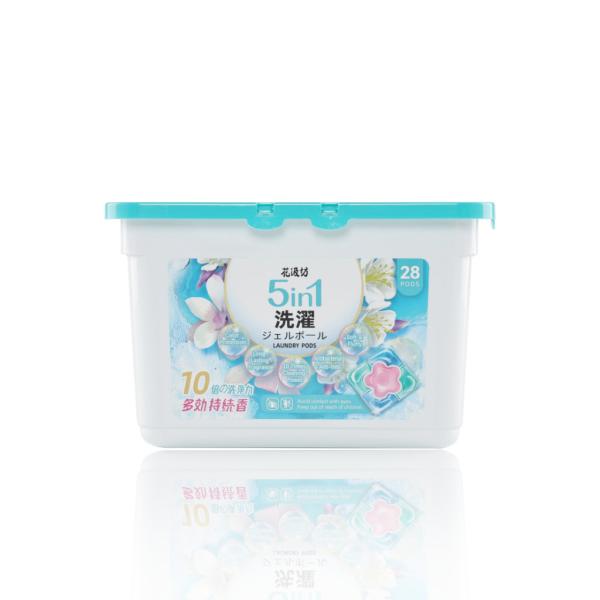
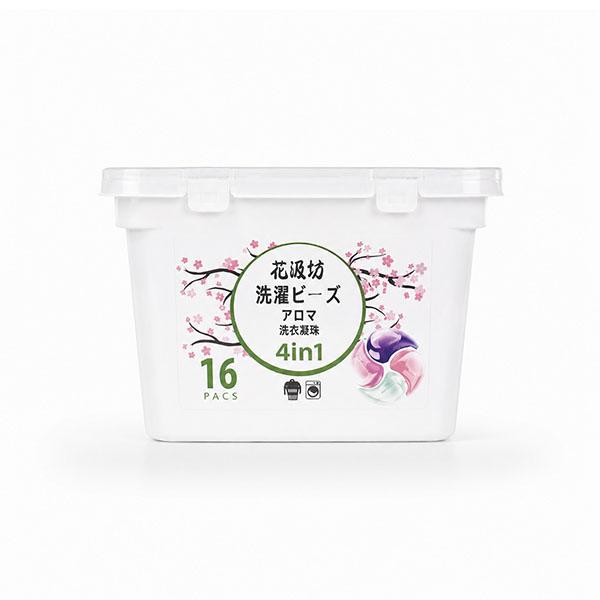
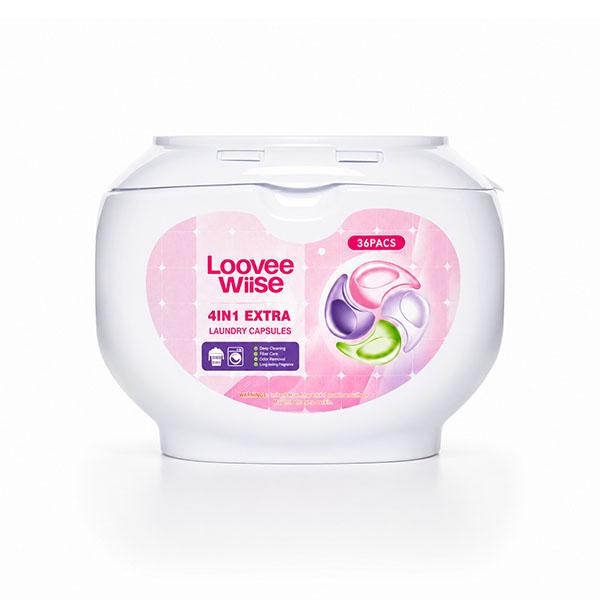
Chemical Industry: Pre-measured detergent pods (e.g., laundry capsules) and pesticide packaging.

Healthcare:
Infection Control: During COVID-19, water-soluble laundry bags safely isolated contaminated textiles, protecting medical staff and laundry workers.
Specialized Uses:
Electronics: Anti-static films for sensitive device packaging.
Agriculture: Dissolvable seed coatings and fertilizer sachets.
Technical Properties
Gas Barrier Performance: Superior oxygen and moisture resistance, extending product shelf life.
Customizable Dissolution:
Dissolution time and temperature (e.g., cold or hot water) can be engineered for specific applications.
Static Resistance: Ideal for dust-sensitive industries like semiconductor manufacturing.
Safety & Certification
Non-Toxic Composition: Certified free of phthalates, heavy metals, and regulated chemicals.

Industry Standards:
OECD 301B: Validates >90% biodegradability within 28 days.
FDA Compliance: Safe for food-contact applications.
Challenges and Future Outlook:
Cost: Currently 20–30% pricier than conventional plastics, though scaling production may lower prices.
Infrastructure: Requires wastewater systems capable of processing dissolved polymers.
Innovations:
PVOH-PBS Blends: Enhancing marine biodegradability.
Smart Films: pH- or temperature-triggered dissolution.
Notice:
If you are interested in our products, please do not hesitate to contact us to get a free sample.
https://toplaundrypods.com/freesample.html
Seller Manager
Mila
Telephone: 86-020-18122707930
Email: [email protected]